
ASTM F1921
İlaç Ambalajlarında Sıcak Yapışma Mukavemeti
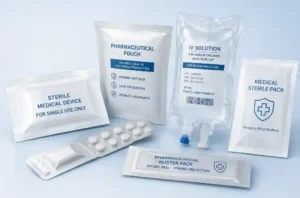
Esnek Ambalajlarda Sızdırmazlık Performansı Konusunda ASTM F1921 Standardı
Bu ASTM F1921 Bu standart, aşağıdakini değerlendirmek için kullanılan kritik bir laboratuvar yöntemini tanımlar: sıcak yapışma mukavemeti termoplastik malzemelerin, ısı ile yapıştırma işleminden hemen sonra ve yapıştırma yeri ortam sıcaklığına soğumadan önce. Bu özellik, yüksek hızda form-doldurma-mühürleme paketleme hatları, burada contaların henüz sıcak ve mekanik olarak zayıf oldukları halde gerilime dayanmaları gerekir.
Pratik açıdan, ASTM F1921 Üreticilerin, ısı ile yapıştırılmış bir filmin paketleme işlemleri sırasında uygulanan kuvvetlere arıza vermeden dayanıp dayanamayacağını belirlemelerine yardımcı olur. Bu da onu özellikle şu alanlar için değerli kılar: ilaç ambalajları, gıda ambalajları ve tıbbi steril bariyer sistemleri, burada contanın bütünlüğü ürün güvenliği ve mevzuata uygunluğu doğrudan etkiler.
İlaç Ambalajlamasında Sıcak Yapışma Mukavemeti Neden Önemlidir?
İçinde ilaç ambalaj sistemleri, contalar genellikle oluşumlarından hemen sonra mekanik gerilime maruz kalırlar. Eğer sıcak yapışma mukavemeti yetersizse, soğuma öncesinde contalar açılabilir veya deforme olabilir; bu da kontaminasyon risklerine veya ürünün reddedilmesine yol açabilir.
Bu sıcak yapışma testi ASTM F1921 standardında tanımlanan bu test, soğuma aşamasında kontrollü soyma kuvvetleri uygulayarak bu erken aşamadaki sızdırmazlık direncini ölçer. Bu, ambalaj malzemelerinin üretim koşulları altında nasıl davrandığına dair gerçekçi bir fikir verir.
ASTM F1921 Değerlendirmesinde Sıcak Yapışma Test Cihazı İşlevi
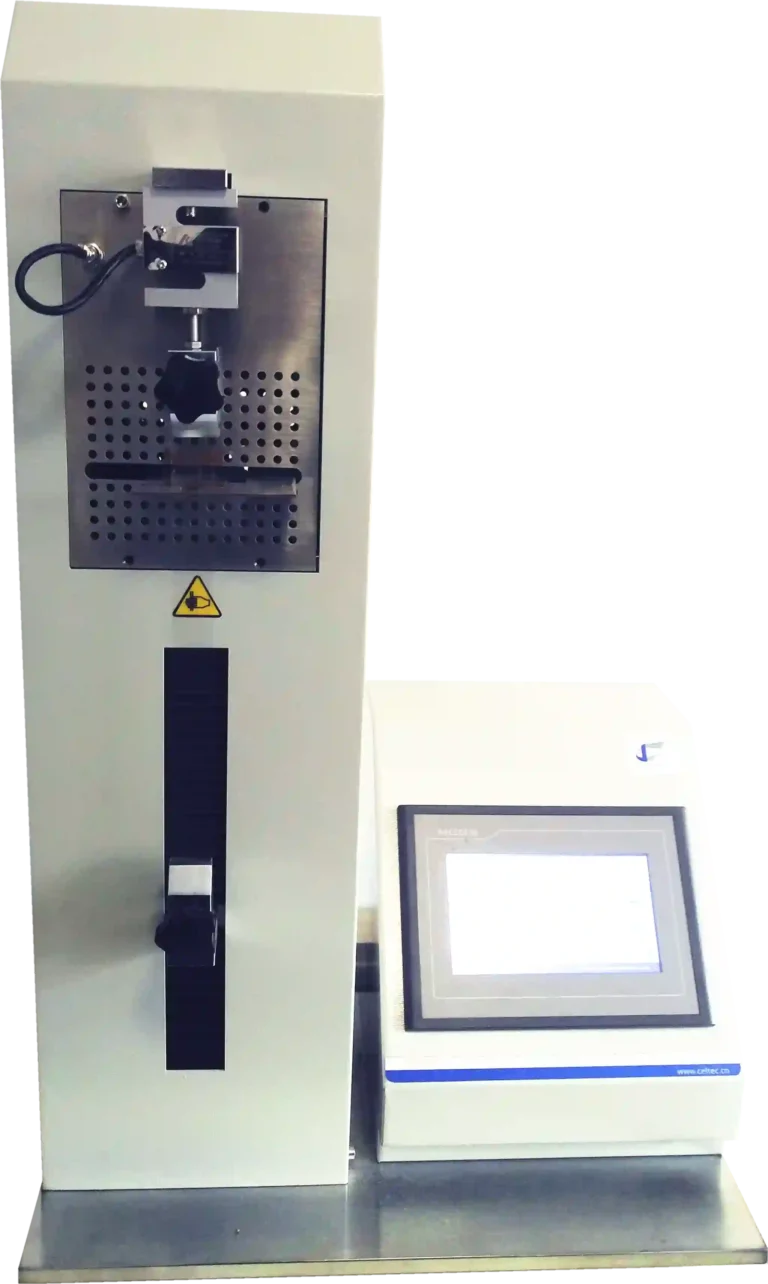
A sıcak tutunma test cihazı ASTM F1921 prosedürlerinin uygulanmasında kullanılan temel cihazdır. Aşağıdaki gibi tanımlanmış koşullar altında sızdırmazlık, kontrollü soğutma ve anında soyulma işlemlerini simüle eder:
- Sızdırmazlık sıcaklığı
- Bekleme süresi
- Sızdırmazlık basıncı
- Kavrama ayrılma hızı
Test cihazı şunları kaydeder: zaman içinde maksimum soyma kuvveti, farklı sızdırmazlık sıcaklıklarında malzemenin performansını gösteren bir sıcak yapışma eğrisi oluşturur.
Cell Instruments, aşağıdakiler gibi gelişmiş çözümler sunmaktadır: Sıcak Yapışma Test Cihazı HTT serisi, ASTM F1921 standardının hem A Yöntemini hem de B Yöntemini destekleyerek, endüstriyel kalite güvence laboratuvarları için uyumluluk ve yüksek tekrarlanabilirlik sağlar.
ASTM F1921 Test İlkesi ve Süreci
Isıyla Yapıştırma Oluşumu ve Anında Soyulma Değerlendirmesi
ASTM F1921 yöntemi, kontrollü basınç ve sıcaklık koşulları altında iki termoplastik tabaka arasında bir ısı ile yapıştırma işlemi gerçekleştirilmesiyle başlar. Yapıştırma işleminden sonra:
- Sızdırmaz hale getirilmiş numune, otomatik olarak kontrollü çekme aşamasına aktarılır
- Kavrama kolları belirli bir hızda birbirinden ayrılır
- Mühürü soymak için gereken kuvvet sürekli olarak ölçülür
Bu süreç, Soğuma Sırasında Sıcak Yapışma Mukavemetinin Değişimi, bu da gerçek üretim ortamlarında mühürlerin dayanıklılığını anlamak için hayati önem taşır.
ASTM F1921 Standardında Tanımlanan Test Yöntemleri
Yöntem A – Sabit Gecikmeli Soğutma Değerlendirmesi
A Yöntemi, sabit bir gecikme süresinin ardından önceden belirlenmiş soğuma aralıklarında sıcak yapışma mukavemetini kaydeder. Bu yöntem, ayrıntılı bir soğuma eğrisi, mühürün mukavemetinin zaman içinde nasıl geliştiğini gösteren.
Tipik özellikleri şunlardır:
- Ölçümden önceki sabit gecikme süresi
- Birden fazla zaman noktasında alınan kuvvet ölçümleri
- Malzeme karşılaştırması için soğuma eğrisinin oluşturulması
Bu yöntem, malzeme araştırma ve geliştirme çalışmaları ile karşılaştırmalı analizlerde yaygın olarak kullanılmaktadır.
Yöntem B – Değişken Gecikmeli Tepe Kuvvet Ölçümü
B Yöntemi, şunun ölçülmesine odaklanır: maksimum sıcak yapışma mukavemeti kullanıcı tarafından belirlenen bir gecikme süresinin ardından. Bu yöntem, tam eğri analizinden çok en yüksek performansın daha önemli olduğu üretim kalite kontrolü için özellikle uygundur.
Başlıca özellikleri şunlardır:
- Değişken gecikme ayarları
- Soyma sırasında maksimum kuvvet algılama
- Kalite kontrol ortamlarında daha hızlı değerlendirme
ASTM F1921 Standardındaki Temel Test Parametreleri
ASTM F1921 standardı, tekrarlanabilirliği sağlamak amacıyla sızdırmazlık ve test koşullarının sıkı bir şekilde kontrol edilmesini vurgulamaktadır:
- Bekleme süresi film kalınlığına göre değişir (tipik aralık 0,5 saniye ile 2,5 saniye arası)
- Sızdırmazlık basıncı 15–30 N/cm² aralığındadır
- Soyma hızı genellikle 200 mm/dk olarak ayarlanır
- Birden fazla sıcaklık aşaması sıcak yapışma eğrisini oluşturmak için kullanılır
Bu parametreler, sonuçların gerçek hayattaki ambalajlama davranışını yansıtmasını sağlar.
Sıcak Yapışma Testinde Hata Modu Analizi
ASTM F1921 standardı, arıza türlerinin ayrıntılı bir şekilde belgelenmesini gerektirir; bu belgeler şunları içerebilir:
- Arayüzdeki yapışma bozukluğu
- Sızdırmazlık tabakası içindeki kohezif bozulma
- Film tabakalarının ayrılması
- Malzeme kopması
- Kopma öncesi uzama
Arıza türü sınıflandırması, sınırlamaların malzeme yapısından mı yoksa sızdırmazlık koşullarından mı kaynaklandığını belirlemek açısından hayati önem taşır.
ASTM F1921 Standardına Uygun Cell Instruments Sıcak Yapışma Test Cihazı
Cell Instruments, gelişmiş sıcak tutunma testi sistemleri ASTM F1921 standardına uygunluk için özel olarak tasarlanmıştır. HTT serisi şunları sunar:
- Hassas PID sıcaklık kontrolü
- Otomatik sızdırmazlık ve soyma döngüsü
- Yöntem A ve Yöntem B’ye yönelik destek
- Endüstriyel gerekliliklere uygun yüksek hızlı testler
- Güvenilir PLC tabanlı kontrol sistemi
Sistem, aşağıdakilerin tutarlı bir şekilde ölçülmesini sağlar: ilaç ambalajlarında sıcak yapışma mukavemeti, laboratuvarların ve üreticilerin yasal düzenlemelere ve kalite güvence standartlarına uymalarına yardımcı olmaktadır.
ASTM F1921 ile ilgili sık sorulan sorular
ASTM F1921 standardı ne için kullanılır?
ASTM F1921 standardı, termoplastik filmlerdeki ısı ile yapıştırma noktalarının soğumadan önceki sıcak yapışma mukavemetini ölçmek için kullanılır ve bu sayede üretim sırasında ambalaj performansının değerlendirilmesine yardımcı olur.
Ambalajlamada sıcak yapışma mukavemeti neden önemlidir?
Sıcak yapışma mukavemeti, contaların oluşumdan hemen sonra gerilime dayanabilmesini sağlayarak, yüksek hızlı paketleme işlemleri sırasında contaların bozulmasını önler.
A Yöntemi ile B Yöntemi arasındaki fark nedir?
Yöntem A, soğuma eğrisi boyunca sıcak yapışma mukavemetini ölçerken, Yöntem B ise belirli bir gecikme süresinin ardından ulaşılan maksimum kuvvete odaklanır.
Hangi sektörlerde sıcak yapışma testi kullanılır?
İlaç, gıda, tıbbi cihaz ambalajlama, yapıştırıcılar ve esnek film imalatı sektörlerinde yaygın olarak kullanılmaktadır.
ASTM F1921 testlerinde hangi cihazlar kullanılır?
Cell Instruments HTT serisi gibi bir sıcak yapışma test cihazı, aşağıdakilere göre kontrollü sızdırmazlık ve soyulma testleri gerçekleştirmek için kullanılır: ASTM F1921.
 English
  العربية
  Български
  Čeština
  Dansk
Dansk  Deutsch
  Ελληνικά
  Español
  Eesti
Eesti  Suomi
Suomi  Français
  Magyar
  Bahasa Indonesia
  Italiano
  日本語
日本語  한국어
한국어  Lietuvių kalba
  Latviešu valoda
  Norsk bokmål
  Nederlands
  Polski
  Português
  Română
  Русский
  Slovenčina
  Slovenščina
  Svenska
  Türkçe
  Українська
  עִבְרִית
  ไทย
ไทย  Tiếng Việt