
ASTM F1921
Varmlimingsfasthet for farmasøytisk emballasje

ASTM F1921 om forseglingsegenskaper for fleksibel emballasje
Den ASTM F1921 Standarden definerer en kritisk laboratoriemetode som brukes til å vurdere varmefesteevne av termoplastiske materialer umiddelbart etter varmeforsegling og før forseglingen avkjøles til omgivelsestemperatur. Denne egenskapen er avgjørende ved høy hastighet pakkelinjer for form-fyll-forsegling, der tetningene må tåle belastning mens de fremdeles er varme og mekanisk svake.
I praksis, ASTM F1921 hjelper produsenter med å avgjøre om en varmeforseglet film tåler kreftene som påføres under emballeringsprosessen uten å svikte. Dette gjør den spesielt verdifull for legemiddelemballasje, matemballasje og sterile barrieresystemer til medisinsk bruk, der tetningens integritet har direkte innvirkning på produktsikkerheten og samsvaret med gjeldende krav.
Hvorfor varmklebefasthet er viktig i legemiddelemballasje
I emballasjesystemer for legemidler, utsettes tetningene ofte for mekanisk belastning umiddelbart etter at de er lagt inn. Hvis varmefesteevne er utilstrekkelig, kan tetningene åpne seg eller deformeres før avkjøling, noe som kan føre til risiko for forurensning eller at produktet må kasseres.
Den varmefasthetstest I henhold til standarden ASTM F1921 måles denne tetningsmotstanden i et tidlig stadium ved å påføre kontrollerte avskallingskrefter under avkjølingsfasen. Dette gir et realistisk innblikk i hvordan emballasjematerialer oppfører seg under produksjonsforhold.
Funksjonen til «Hot Tack Tester» i evalueringen i henhold til ASTM F1921
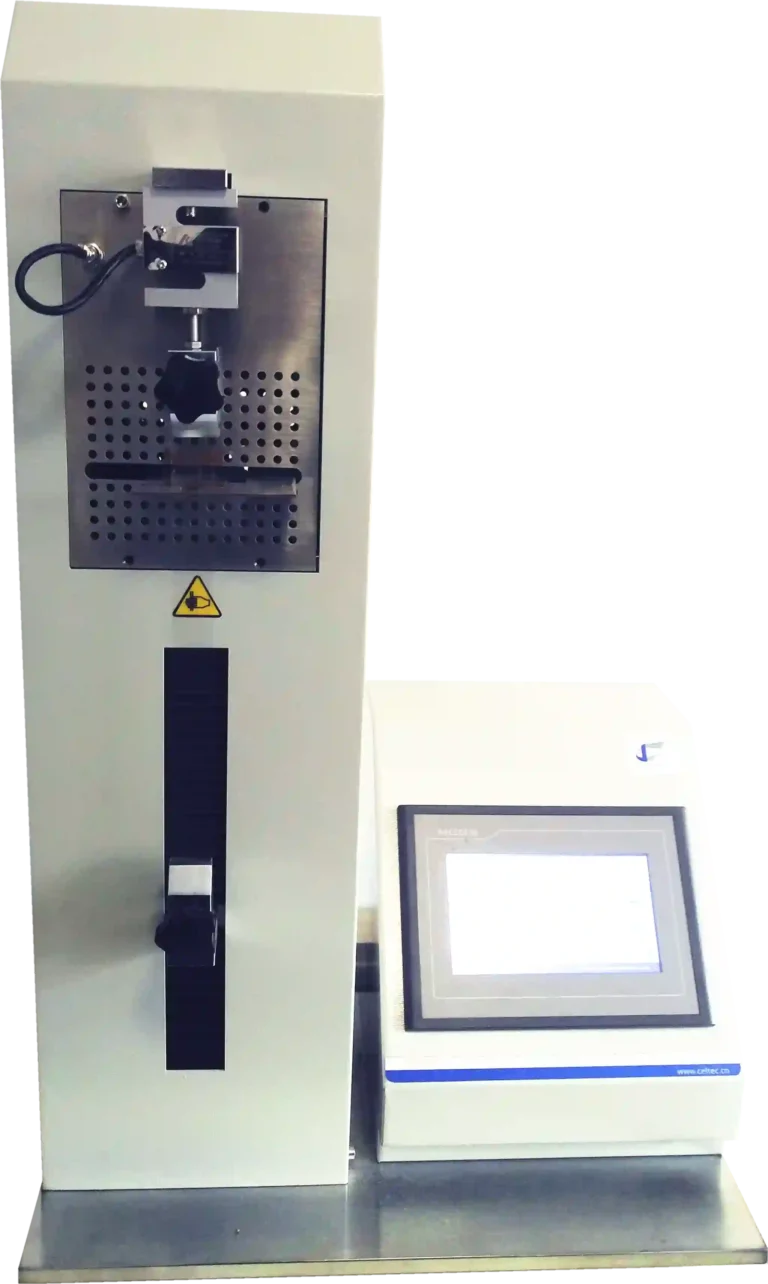
A varmefasthetstester er det viktigste instrumentet som brukes til å gjennomføre prosedyrer i henhold til ASTM F1921. Det simulerer forsegling, kontrollert avkjøling og umiddelbar avskalling under definerte forhold, for eksempel:
- Tetningstemperatur
- Oppholdstid
- Tetningstrykk
- Gripets separasjonshastighet
Testeren registrerer maksimal avskallingskraft over tid, noe som gir en «hot tack»-kurve som viser materialets ytelse ved ulike forseglingstemperaturer.
Cell Instruments tilbyr avanserte løsninger som for eksempel Hot Tack Tester HTT-serien, som støtter både metode A og metode B i ASTM F1921, noe som sikrer samsvar med standarden og høy repeterbarhet for industrielle kvalitetssikringslaboratorier.
ASTM F1921 – Testprinsipp og fremgangsmåte
Dannelse av varmeforsegling og umiddelbar evaluering av avtrekkbarhet
ASTM F1921-metoden starter med at det dannes en varmeforsegling mellom to termoplastiske lag under kontrollert trykk og temperatur. Etter forseglingen:
- Den forseglede prøven overføres automatisk til en kontrollert uttaksfase
- Grepene skilles fra hverandre med en bestemt hastighet
- Kraften som kreves for å fjerne forseglingen, måles kontinuerlig
Denne prosessen fanger opp Utviklingen i varmt klebefasthet under avkjøling, noe som er avgjørende for å forstå systemets robusthet i virkelige produksjonsmiljøer.
Testmetoder definert i ASTM F1921
Metode A – Evaluering av kjøling med fast forsinkelse
Metode A måler varmklebefastheten ved forhåndsdefinerte avkjølingsintervaller etter en fast forsinkelse. Denne metoden gir en detaljert kjølekurve, som viser hvordan tetningsstyrken utvikler seg over tid.
Typiske kjennetegn er blant annet:
- Fast forsinkelse før måling
- Kraftmålinger ved flere tidspunkter
- Utarbeidelse av kjølekurver for sammenligning av materialer
Denne metoden er mye brukt innen materialforskning og -utvikling samt sammenlignende analyse.
Metode B – Måling av toppkraft med variabel forsinkelse
Metode B fokuserer på å måle maksimal varmklebefasthet etter en brukerdefinert forsinkelse. Den egner seg spesielt godt til kvalitetskontroll i produksjonen, der toppytelse er viktigere enn analyse av hele kurven.
De viktigste kjennetegnene er blant annet:
- Innstillinger for variabel forsinkelse
- Registrering av maksimal kraft under avskalling
- Raskere evaluering i kvalitetskontrollmiljøer
Viktige testparametere i ASTM F1921
ASTM F1921 legger vekt på streng kontroll av forseglings- og testforholdene for å sikre reproduserbarhet:
- Oppholdstid varierer avhengig av filmtykkelsen (typisk område fra 0,5 s til 2,5 s)
- Tetningstrykk varierer mellom 15 og 30 N/cm²
- Skrellehastighet vanligvis satt til 200 mm/min
- Flere temperaturtrinn brukes til å lage en «hot tack»-kurve
Disse parametrene sikrer at resultatene gjenspeiler den faktiske oppførselen til emballasjen.
Analyse av feilmoduser ved testing av «hot tack»
ASTM F1921 krever detaljert dokumentasjon av feilmoduser, som kan omfatte:
- Limfeil ved grensesnittet
- Sammenbrudd i sammenhengskraften i tetningslaget
- Delaminering av film
- Materialbrudd
- Forlengelse før brudd
Klassifisering av feilmoduser er avgjørende for å kunne avgjøre om begrensningene skyldes materialets struktur eller tetningsforholdene.
Cell Instruments’ Hot Tack-tester i henhold til ASTM F1921
Cell Instruments utvikler avanserte systemer for testing av klebeevne spesielt utviklet for å oppfylle kravene i ASTM F1921. HTT-serien tilbyr:
- Nøyaktig PID-temperaturregulering
- Automatisert forseglings- og avtrekkssyklus
- Støtte for metode A og metode B
- Høyhastighetstesting i henhold til industrielle krav
- Stabilt PLC-basert styringssystem
Systemet sikrer konsistent måling av Varmlimingsfasthet for farmasøytisk emballasje, og hjelper laboratorier og produsenter med å oppfylle lovkrav og kvalitetssikringsstandarder.
Ofte stilte spørsmål om ASTM F1921
Hva brukes ASTM F1921 til?
ASTM F1921 brukes til å måle varmfesteevnen til varmeforseglinger i termoplastiske filmer før de avkjøles, noe som bidrar til å vurdere emballasjens ytelse under produksjonen.
Hvorfor er varmlimingsfastheten viktig innen emballasje?
Varmlimingsstyrken sikrer at forseglingene tåler belastning umiddelbart etter at de er laget, noe som forhindrer at forseglingene svikter under høyhastighets emballasjeprosesser.
Hva er forskjellen mellom metode A og metode B?
Metode A måler klebefastheten ved høy temperatur langs en avkjølingskurve, mens metode B fokuserer på maksimal kraft etter en fastsatt forsinkelsestid.
Hvilke bransjer benytter seg av «hot tack»-testing?
Det er mye brukt i industriene for legemidler, matvarer, emballasje til medisinsk utstyr, lim og produksjon av fleksibel film.
Hvilke instrumenter brukes til ASTM F1921-testing?
En varmtack-tester, for eksempel Cell Instruments’ HTT-serie, brukes til å utføre kontrollerte tetnings- og avskallingstester i henhold til ASTM F1921.
 English
  العربية
  Български
  Čeština
  Dansk
Dansk  Deutsch
  Ελληνικά
  Español
  Eesti
Eesti  Suomi
Suomi  Français
  Magyar
  Bahasa Indonesia
  Italiano
  日本語
日本語  한국어
한국어  Lietuvių kalba
  Latviešu valoda
  Norsk bokmål
  Nederlands
  Polski
  Português
  Română
  Русский
  Slovenčina
  Slovenščina
  Svenska
  Türkçe
  Українська
  עִבְרִית
  ไทย
ไทย  Tiếng Việt