
Test af løsrivelse og glidekraft spiller en vigtig rolle i vurderingen af materialers og komponenters friktionsegenskaber, især inden for emballage og medicinske anvendelser. Testen går ud på at bestemme den kraft, der skal til for at starte og opretholde bevægelsen af en overflade eller et objekt. Denne type test er afgørende for at sikre, at produkter som sprøjter fungerer gnidningsløst og effektivt, især når man tester de kræfter, der kræves for at bevæge et sprøjtestempel.
I denne artikel vil vi undersøge betydningen af Test af løsrivelse og glidekraft, især i forhold til Test af sprøjtelækage og test af kræfter, der kræves for at betjene stemplet i sprøjter, som beskrevet i ISO 7886-1.
Test af sprøjtelækage: Sikring af korrekt funktionalitet
Test af sprøjtelækage er afgørende for at verificere integriteten af en sprøjtes design og sikre, at der ikke er nogen lækage af luft eller væske forbi stempelproppen eller forseglingen. ISO 7886-1 sætter standarderne for sprøjtetest med fokus på ydeevneaspekter som dødrum, lækage og den kraft, der kræves for at betjene stemplet. Disse tests er afgørende for sprøjter, der bruges i medicinske applikationer, da enhver lækage kan kompromittere produktets kvalitet og sikkerhed.
ISO 7886-1 specificerer, at sprøjter skal bestå test for luft- og væskelækage og for de kræfter, der kræves for at betjene stemplet. Disse tests er afgørende for at bekræfte, at sprøjten fungerer korrekt under normale brugsforhold. Ved at teste disse kritiske præstationsfaktorer kan producenterne sikre, at deres sprøjter er pålidelige og sikre.
Kræfter, der er nødvendige for at drive stemplet: Betydningen af test af løsrivnings- og glidestyrke
Den kraft til at drive stemplet i en sprøjte er en kritisk parameter i vurderingen af sprøjtens funktionalitet. Den kraft, der kræves for at bevæge stemplet, kaldes ofte bryde løs kraft og Glidekraft. Den bryde løs kraft er den indledende kraft, der kræves for at begynde at bevæge stemplet, mens Glidekraft er den kraft, der skal til for at holde stemplet i bevægelse, når det først er startet.
Det er vigtigt at teste disse kræfter for at sikre, at sprøjtestemplet bevæger sig jævnt og konsekvent uden for stor modstand. Hvis den kraft, der kræves for at betjene stemplet, er for høj, kan det gøre det vanskeligt for brugeren at administrere indholdet, hvilket potentielt kan forårsage ubehag eller funktionsfejl. På den anden side kan utilstrækkelig modstand føre til lækage eller forkert dosering.
Testmetoder for løsrivelse og glidekraft
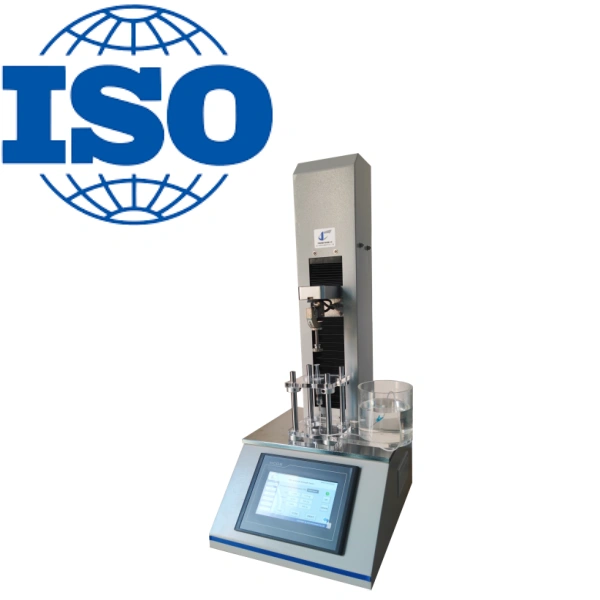
Test af løsrivelse og glidekraft udføres typisk ved hjælp af en mekanisk testmaskine designet til at måle og registrere de kræfter, der kræves for at starte og opretholde en stempelbevægelse. Den SSR-01 Sprøjte glidemodstandstester er et eksempel på et sådant udstyr, som giver præcise målinger af de kræfter, der kræves for at få stemplet til at fungere problemfrit.
Testprocedure for løsrivelses- og glidekrafttest:
- Sæt sprøjten op: Fyld sprøjten med destilleret vand, og sørg for, at stemplet står ved mærket for nominel kapacitet.
- Start testen: Sprøjten er forbundet med testmaskinen, som bevæger stemplet med en kontrolleret hastighed. Den kraft, der kræves for at starte og opretholde bevægelsen, registreres.
- Mål kraften: Den bryde løs kraft registreres, når stemplet først begynder at bevæge sig, mens Glidekraft registreres under den vedvarende bevægelse af stemplet.
- Analyser resultaterne: Testresultaterne viser, om de krævede kræfter er inden for acceptable grænser, hvilket sikrer, at sprøjten fungerer korrekt.
Disse resultater er afgørende for kvalitetskontrollen, da de hjælper producenterne med at forstå, hvordan deres sprøjter vil fungere under virkelige forhold.
Vigtige standarder for test af løsrivelse og glidekraft
Den ISO 7886-1 Standarden beskriver kravene til sprøjtetest, herunder de kræfter, der er nødvendige for at betjene stemplet. Den anbefaler testmetoder, der omfatter både bryde løs kraft og Glidekraft for at sikre, at sprøjten fungerer problemfrit under brug. Derudover specificerer den behovet for at teste Sprøjtelækage for at sikre, at der ikke er nogen luft- eller væskelækage forbi stempelproppen, som kan påvirke sprøjtens funktion.
Sprøjtetest til opsporing af lækager
Lækagetest er en vigtig del af kvalitetssikringen af sprøjter. ISO 7886-1 beskriver procedurerne for at opdage både luft- og væskelækage i sprøjter, især ved stempelproppen. En sprøjte anses for at være defekt, hvis der opdages lækage under disse tests, da selv små mængder lækage kan kompromittere produktets effektivitet og sikkerhed.
Konklusion
Test af løsrivelse og glidekraft er afgørende for at evaluere ydeevnen af sprøjter og andre materialer i emballage og medicinske anvendelser. Ved at forstå og teste de kræfter, der skal til for at drive stemplet, kan producenterne sikre deres produkters kvalitet, pålidelighed og sikkerhed. Test af sprøjtelækage, som defineret af ISO 7886-1, giver afgørende indsigt i sprøjternes ydeevne og integritet, hvilket hjælper producenterne med at opretholde høje standarder og levere sikre og effektive produkter til markedet.
Til præcis og pålidelig testning af disse kræfter er Cell Instruments SSR-01 Sprøjte glidende modstandstester tilbyder en fremragende løsning til producenter og kvalitetskontrolpersonale, der sikrer, at deres produkter opfylder de krævede præstationskriterier.
 English
  العربية
  Български
  Čeština
  Dansk
Dansk  Deutsch
  Ελληνικά
  Español
  Eesti
Eesti  Suomi
Suomi  Français
  Magyar
  Bahasa Indonesia
  Italiano
  日本語
日本語  한국어
한국어  Lietuvių kalba
  Latviešu valoda
  Norsk bokmål
  Nederlands
  Polski
  Português
  Română
  Русский
  Slovenčina
  Slovenščina
  Svenska
  Türkçe
  Українська