
اختبار الإغلاق المطاطي: ضمان السلامة والجودة في تغليف المستحضرات الصيدلانية
إن اختبار الإغلاق المطاطي خطوة حاسمة لمراقبة الجودة في صناعة المستحضرات الصيدلانية، خاصةً بالنسبة للمنتجات الدوائية القابلة للحقن. الأغطية المرنة، مثل سدادات مطاطية أمبولةتلعب دورًا حيويًا في ضمان سلامة أنظمة التغليف ووظائفها. يجب أن تفي هذه الأقفال بالمعايير الصارمة لضمان قدرتها على تحمل ظروف مثل التعقيم والثقب والإدخال المتكرر للإبر دون المساس بسلامة المنتج.
في هذه المقالة، سنستكشف في هذا المقال أهمية اختبار الإغلاق المطاطيأهميتها في USP 381 الامتثال، وكيف يساعد في تقييم قوة الثقب والتفتت والخصائص الأخرى للأقفال المطاطية المستخدمة في العبوات الصيدلانية.
USP 381 ودوره في اختبار الإغلاق المطاطي
USP 381وهو معيار من دستور الأدوية الأمريكي، يوفر إرشادات لتقييم وظائف وسلامة المكونات المرنة المستخدمة في عبوات الأدوية القابلة للحقن. تشمل هذه المكونات الأقفال المطاطية للقوارير والأمبولات والمحاقن وأنظمة التغليف الأخرى التي تتلامس مباشرة مع الأدوية القابلة للحقن. الاختبارات المحددة تحت USP 381 مصممة لتقييم كل من التفاعلية البيولوجية و الخصائص الفيزيائية والكيميائية من المواد المرنة.
من خلال الالتزام بـ USP 381، يضمن مصنعو المستحضرات الصيدلانية أن تكون الأقفال المطاطية آمنة للاستخدام الدوائي، مما يقلل من خطر التلوث أو التسرب. ويغطي مجموعة متنوعة من الاختبارات، بما في ذلك قوة الثقب, قدرة الختم الذاتيو مقاومة التفتت.
اختبار الثقب: تقييم قوة الإغلاق المطاطي
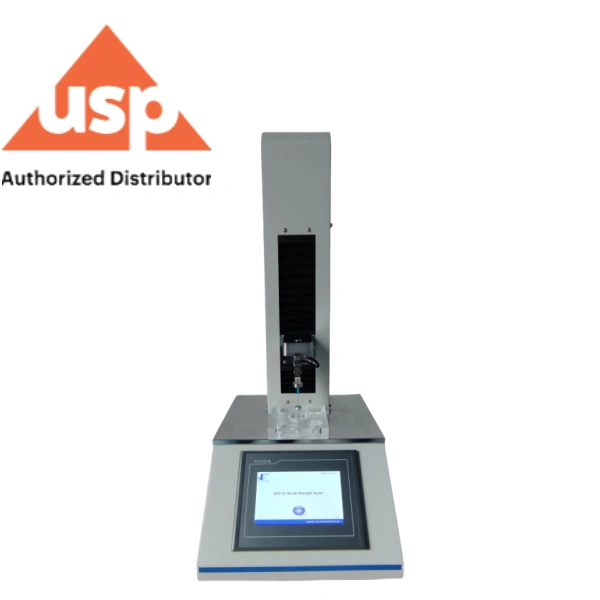
أحد أهم جوانب اختبار الإغلاق المطاطي يقيِّم قوة الثقب. يقيّم هذا الاختبار القوة المطلوبة لاختراق السدادة المطاطية بإبرة، وهي خاصية مهمة للأقفال المستخدمة في المحاقن والقوارير والأمبولات. A جهاز اختبار الثقب تُستخدم عادةً لمحاكاة إدخال إبرة في السدادة المطاطية.
بالنسبة لـ USP 381 الامتثال، يجب أن تكون قوة الثقب في حدود معينة لضمان سهولة الاستخدام ومنع التلف أثناء اختراق الإبرة. وعادةً، يجب ألا تتجاوز قوة الثقب 10 نيوتن (قوة 1 كيلوغرام) لكل عملية إغلاق، مع ضرورة توفر مستوى عالٍ من الدقة أثناء الاختبار.
اختبار إضافي: التجزئة والقدرة على الختم الذاتي
بالإضافة إلى اختبار الثقب, USP 381 يحدد الاختبارات الخاصة ب التجزئة و قدرة الختم الذاتي للأقفال المطاطية. تضمن هذه الاختبارات أن الإغلاق المطاطي يحافظ على سلامته ووظائفه تحت الضغط.
اختبار التجزئة
إن اختبار التجزئة يتضمن ثقب الأقفال المطاطية عدة مرات بإبرة ثم فحص الشظايا الناتجة. من المهم ألا ينتج عن الأقفال المطاطية شظايا زائدة عند ثقبها، حيث يمكن أن تلوث المنتج الصيدلاني. وفقًا ل USP 381، يجب ألا يكون أكثر من خمس شظايا مرئية للعين المجردة بعد الاختبار.
اختبار قدرة الختم الذاتي
إن قدرة الختم الذاتي يتم اختبار الإغلاق المطاطي عن طريق ثقب الإغلاق عدة مرات وتعريضه لمحلول الميثيلين الأزرق تحت ضغط منخفض. يقيّم هذا الاختبار قدرة الإغلاق على إعادة إغلاق نفسه بعد عدة ثقوب بالإبر. USP 381 ينص على أن عمليات الإغلاق يجب ألا تسمح بأي تسرب أثناء الاختبار أو بعده، مما يضمن عقم وسلامة المنتج الدوائي.
أهمية اختبار الإغلاق المطاطي في التعبئة والتغليف
إن اختبار الإغلاق المطاطي يضمن أن الأقفال المستخدمة في تغليف المستحضرات الصيدلانية تلبي المعايير اللازمة للأداء والسلامة والموثوقية. من خلال تقييم خصائص مثل قوة الثقب, التجزئةو قدرة الختم الذاتي، يمكن للمصنعين التأكد من أن الأقفال المطاطية الخاصة بهم ستحمي منتج الدواء أثناء النقل والتخزين والاستخدام.
هذا الاختبار مهم بشكل خاص للمنتجات الصيدلانية القابلة للحقن، حيث يمكن أن يؤدي أي فشل في نظام الإغلاق إلى تلوث أو تدهور المنتج أو تعريض سلامة المرضى للخطر. الامتثال لـ USP 381 ولذلك فإن هذا الأمر ضروري للمصنعين الذين يتطلعون إلى تلبية المعايير التنظيمية وضمان أعلى مستوى من سلامة المنتج.
كيف تدعم أدوات الخلايا اختبار الإغلاق المطاطي
توفر شركة سيل إنسترومنتس معدات اختبار متخصصة، مثل جهاز اختبار قوة السحب والاختراق بالإبرةمصممة لتقييم قوة الثقب والخصائص الميكانيكية الأخرى للأقفال المطاطية. تساعد هذه المختبرات المتقدمة المصنعين على التأكد من أن المكونات المطاطية تفي بما يلي USP 381 الامتثال والأداء الفعال في ظروف العالم الحقيقي.
لدينا أجهزة اختبار قوة الثقب توفر نتائج دقيقة وقابلة للتكرار، مما يساعد فرق مراقبة الجودة على التحقق من وظائف الأقفال المطاطية قبل استخدامها في عبوات الأدوية. وباستخدام أدوات اختبار موثوق بها، يمكن للمصنعين تقييم أداء الأقفال المطاطية بثقة وضمان سلامة منتجاتهم الدوائية.
الخاتمة
إن اختبار الإغلاق المطاطي ضروري لضمان سلامة ووظائف المكونات المرنة المستخدمة في العبوات الصيدلانية القابلة للحقن. الامتثال ل USP 381 يوفر للمصنعين نهجًا موحدًا للاختبار ويضمن أداء الأقفال المطاطية في ظل ظروف العالم الحقيقي. من خلال اختبارات مثل اختبار الثقب, التجزئةو قدرة الختم الذاتي، يمكن للمصنعين تقديم منتجات عالية الجودة بثقة تفي بالمتطلبات التنظيمية وتحمي صحة المرضى.
توفر شركة Cell Instruments حلول اختبار موثوقة ودقيقة لاختبار الإغلاق المطاطي، مما يساعد الشركات المصنعة للأدوية على الحفاظ على أعلى معايير الجودة والامتثال.
 English
  العربية
  Български
  Čeština
  Dansk
Dansk  Deutsch
  Ελληνικά
  Español
  Eesti
Eesti  Suomi
Suomi  Français
  Magyar
  Bahasa Indonesia
  Italiano
  日本語
日本語  한국어
한국어  Lietuvių kalba
  Latviešu valoda
  Norsk bokmål
  Nederlands
  Polski
  Português
  Română
  Русский
  Slovenčina
  Slovenščina
  Svenska
  Türkçe
  Українська
  עִבְרִית
  ไทย
ไทย  Tiếng Việt