
Soft gelatin capsules are a popular form of oral dosage for pharmaceuticals and dietary supplements. Ensuring their quality is critical to guarantee proper absorption, effectiveness, and safety for consumers. One of the essential aspects of quality control is performing accurate tests to assess the physical properties of the capsules, ensuring they meet the required standards.
Vitamin D Softgel Bloom Strength Test: Essential for Softgel Quality
The Vitamin D Softgel bloom strength test is one of the primary methods used to assess the mechanical properties of soft gelatin capsules. Bloom strength refers to the hardness or firmness of the gel capsule shell. This test measures the force required to deform the softgel under a controlled load, providing an indication of the texture and stability of the capsule shell.
A softgel capsule with the right bloom strength will have a durable, yet flexible, shell that is not too brittle or too soft. This balance is essential for the capsule to maintain its integrity during handling, storage, and consumption. Insufficient bloom strength could lead to capsule leakage or breakage, whereas excessive strength may result in a difficult-to-swallow capsule.
To ensure consistent bloom strength, manufacturers use bloom testers, which apply a controlled force to the surface of the softgel to measure its response. This test is critical for evaluating the quality of softgel capsules, especially those containing sensitive ingredients such as Vitamin D or other fat-soluble vitamins.
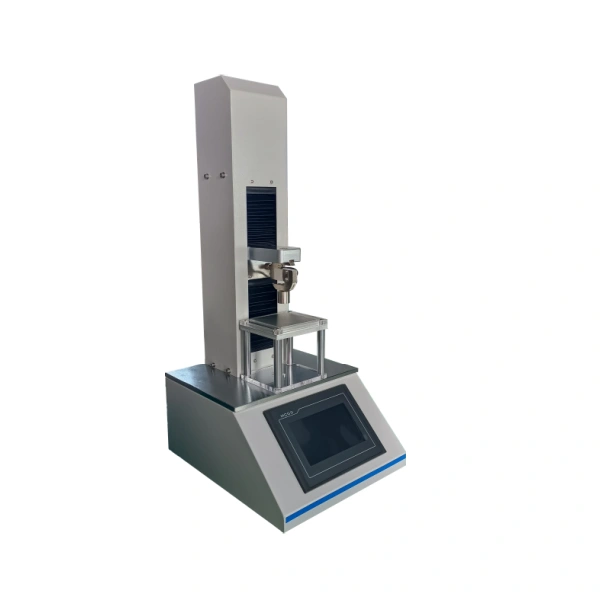
The Role of Coenzyme Q10 Softgel and Texture Analyser in Quality Control
In addition to Vitamin D Softgel, Coenzyme Q10 Softgel is another popular supplement that requires precise quality control testing. Coenzyme Q10, being an antioxidant, is often encapsulated in softgels to ensure its stability and bioavailability. The texture and strength of the softgel shell play a significant role in protecting the active ingredient from degradation due to moisture or light exposure.
Softgel capsule texture analysers are used to measure various parameters of softgels, including bloom strength, elasticity, compressibility, and tensile strength. These tests ensure that the softgels are not only physically stable but also perform well in terms of their ability to deliver the active ingredients once consumed.
By using the texture analyser, manufacturers can simulate the forces that the softgels will experience in real-world conditions, such as during transportation or handling. This helps to optimize the formulation of the softgel capsule, ensuring it remains intact until it reaches the consumer.
Why Quality Control Testing Matters for Soft Gelatin Capsules
Quality control testing for soft gelatin capsules is essential to ensure the integrity, safety, and efficacy of the product. The bloom strength test, texture analysis, and other tests provide valuable data that can be used to:
- Ensure Capsule Integrity: Testing the tensile strength, bloom strength, and other mechanical properties ensures that the softgel will not break or leak, preserving the integrity of the active ingredient inside.
- Optimize Formulation: By evaluating the texture and physical properties of the softgel capsule, manufacturers can adjust the formulation to improve performance and enhance the user experience.
- Regulatory Compliance: Many markets require soft gelatin capsules to meet specific standards for bloom strength and softgel capsule texture to ensure their quality and safety. Testing according to industry standards like ASTM D2878 helps ensure compliance with these regulations.
The Importance of Advanced Testing Equipment: Cell Instruments Texture Analyser
To perform these tests with the highest level of precision, Cell Instruments offers advanced testing equipment, including the Texture Analyser. This device is designed to evaluate the softgel capsule texture and bloom strength efficiently and accurately, providing manufacturers with reliable data to optimize their softgel formulations.
With the Texture Analyser, you can assess parameters such as elasticity, hardness, compression resistance, and shear strength, which are all essential in evaluating the overall quality of softgel capsules. It helps manufacturers meet industry standards while enhancing their product’s performance.
Conclusion
The quality control test for soft gelatin capsules is crucial for ensuring the reliability, safety, and efficacy of products like Vitamin D Softgels and Coenzyme Q10 Softgels. Through methods like the Vitamin D Softgel bloom strength test, softgel capsule texture analysis, and the use of advanced testing equipment like the Texture Analyser, manufacturers can guarantee that their softgel products meet the highest standards of quality.
Utilizing precise tools like the bloom tester and texture analyser allows for consistent and accurate testing, ensuring that softgel capsules are safe for consumers while maintaining the stability of the active ingredients inside.
 English
  العربية
  Български
  Čeština
  Dansk
Dansk  Deutsch
  Ελληνικά
  Español
  Eesti
Eesti  Suomi
Suomi  Français
  Magyar
  Bahasa Indonesia
  Italiano
  日本語
日本語  한국어
한국어  Lietuvių kalba
  Latviešu valoda
  Norsk bokmål
  Nederlands
  Polski
  Português
  Română
  Русский
  Slovenčina
  Slovenščina
  Svenska
  Türkçe
  Українська