
Needle Penetration Testing According to ISO 7864 for Hypodermic Needles
ISO 7864 is an international standard for sterile hypodermic needles for single use that specifies the requirements and test methods for assessing the mechanical properties of these needles. The standard covers the needle penetration test method, which is used to measure how much force is required to insert a needle into a specific substrate. This test method is crucial for evaluating the functionality and performance of hypodermic needles, ensuring their suitability for medical use.
The Needle Penetration Test Method is essential for testing the drag force and penetration force of hypodermic needles. Both forces are critical in determining the ease of insertion and the overall user experience when using medical needles for injection or blood sampling. Accurate measurement of these forces is essential for product quality assurance and regulatory compliance in the medical industry.
Understanding the ISO 7864 Standard
ISO 7864 outlines the testing procedures for hypodermic needles. Specifically, the standard provides a method for measuring the needle penetration force and drag force using various test substrates. The primary goal of the test is to simulate the real-life insertion of a needle and to evaluate the frictional properties that could affect the needle’s performance.
This needle penetration testing method helps ensure that needles are easy to insert and require minimal force, which is crucial for patient comfort. The test also measures the frictional resistance encountered during the needle’s passage through the substrate, providing insights into the materials and design of the needle.
Key Aspects of the Needle Penetration Test
The needle penetration test method involves inserting a needle into a substrate at a constant speed while measuring the force required for penetration. The test provides two main outputs:
Peak Penetration Force: This is the maximum force required to insert the needle into the substrate at the prescribed speed. It represents the initial resistance encountered as the needle first penetrates the material.
Drag Force: This is the average force required to maintain the needle’s movement once it has started to penetrate the substrate. It is measured as the needle continues to move through the material and helps assess the friction properties of the needle and substrate.
Substrate Selection for Needle Penetration Testing
The substrate used in ISO 7864 testing must mimic the conditions that the needle would face during real-world use. Common substrates include:
Natural Latex Rubber: Typically used for its similarity to human skin.
Polyurethane: A material with varying hardness levels, often used to simulate different tissue types.
Silicone Rubber: Known for its durability and consistent friction properties.
Polyethylene (LDPE): Used for testing needle penetration into soft materials.
The substrate holder plays an essential role in maintaining consistency during testing by securing the material between two parallel plates and ensuring uniform compressive force.
How the Needle Penetration Test is Conducted
The ISO 7864 test involves several key steps to measure the drag force and needle penetration force:
Sample Preparation: The test samples (needles) and substrate are conditioned in standard laboratory conditions for at least 24 hours prior to testing. This ensures accurate and reproducible results.
Test Setup: The needle is mounted on a force measurement apparatus, which typically includes a load cell to measure the insertion force during different stages. The needle is then moved towards the substrate at a constant speed (typically 100 mm/min).
Penetration Process: The needle is inserted into the substrate until it reaches a predefined penetration depth (80% of the needle length). The force required for insertion is measured continuously.
Force Profile Recording: As the needle penetrates the substrate, the force is recorded, showing a force profile that includes the initial peak penetration force and the drag force. The profile helps assess the needle’s performance and ease of insertion.
Data Analysis: The drag force is calculated by averaging the force over the last 80% of the penetration depth, while the peak penetration force is recorded as the highest force during the insertion. These values are then analyzed to determine the needle’s suitability.
Importance of Needle Penetration Testing
Needle penetration testing is vital for ensuring that hypodermic needles perform efficiently and meet safety standards. High penetration force can result in patient discomfort, while a low drag force ensures smooth movement of the needle through the tissue. By adhering to ISO 7864 and testing the needle penetration force, manufacturers can produce needles that minimize pain and trauma to the patient during procedures like injections or blood draws.
In addition to patient comfort, needle testing helps manufacturers meet regulatory requirements and ensure that their products are safe, effective, and of high quality. The drag force measurement during penetration testing is critical in determining the needle’s frictional properties, which directly impact the performance of the needle in clinical settings.
Application of Needle Penetration Testing in the Medical Industry
The medical industry relies on rigorous testing standards, such as ISO 7864, to ensure the performance of medical devices like hypodermic needles. By using needle penetration testing, manufacturers can:
Ensure needles meet performance criteria, reducing patient discomfort and increasing the efficiency of medical procedures.
Comply with industry standards, such as ASTM standards for medical devices, ensuring regulatory compliance.
Improve the design and material choices for needles, optimizing them for different clinical applications.
ISO 7864 provides an essential framework for testing hypodermic needles through the needle penetration test method. By measuring the penetration force and drag force, this testing method ensures that needles are designed to perform effectively, minimize discomfort, and meet regulatory standards. For businesses in the medical device manufacturing industry, adhering to these standards is crucial for ensuring product quality and patient safety.
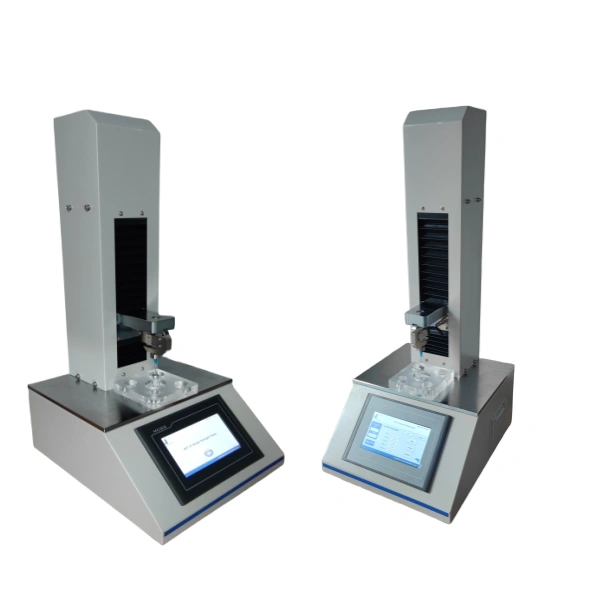
For those seeking precision in needle penetration testing, the Cell Instruments Needle Penetrability Tester provides an accurate and reliable solution. This instrument complies with ISO 7864 and ASTM standards, making it an ideal choice for manufacturers aiming to meet industry requirements and produce high-quality medical needles.
 English
  العربية
  Български
  Čeština
  Dansk
Dansk  Deutsch
  Ελληνικά
  Español
  Eesti
Eesti  Suomi
Suomi  Français
  Magyar
  Bahasa Indonesia
  Italiano
  日本語
日本語  한국어
한국어  Lietuvių kalba
  Latviešu valoda
  Norsk bokmål
  Nederlands
  Polski
  Português
  Română
  Русский
  Slovenčina
  Slovenščina
  Svenska
  Türkçe
  Українська