
Kvalitetskontroll av softgeler for konsekvent ytelse og sikkerhet
Kvalitetskontroll av softgels Softgels er kjernen i farmasøytisk og næringsmiddelproduksjon. Softgels må beskytte virkestoffene, opprettholde stabiliteten gjennom hele holdbarheten og gi en pålitelig pasientopplevelse. Ethvert avvik i skallets styrke, elastisitet eller tekstur kan føre til lekkasje, deformasjon, unøyaktig dosering eller klager fra forbrukerne. Derfor er produsentene i økende grad avhengige av objektiv mekanisk testing for å støtte formuleringsutvikling, rutinemessig produksjonsovervåking og overholdelse av regelverket.
Kvalitetskontrollen av softgeler starter med å forstå hvordan gelatinbaserte skall oppfører seg under kompresjon, deformasjon og gjentatt stress. Mekaniske parametere som hardhet, elastisitet og strukturell gjenoppretting gjenspeiler direkte formuleringsbalanse, myknerinnhold og innkapslingsforhold. Ved å omdanne disse fysiske egenskapene til målbare data får kvalitetsteamene kontroll over produktkonsistensen i stedet for å basere seg på subjektiv inspeksjon.
Softgel-innkapslingsteknologi og dens innvirkning på kvalitetskontrollen
Softgel-innkapslingsteknologi definerer hvordan gelatin, myknere og aktive fyllstoffer samvirker under forming, forsegling, tørking og lagring. Selv små endringer i denne prosessen kan påvirke skalltykkelsen, forseglingsintegriteten og fuktighetsfordelingen, som alle påvirker den mekaniske ytelsen.
Når det gjelder kvalitetskontroll, er det softgelinnkapslingsteknologien som avgjør hva som må testes og når. I tidlig FoU-fase fokuserer man på å optimalisere gelatinformuleringen og elastisiteten. Under oppskaleringen blir hardhet og deformasjon kritiske indikatorer på prosessens stabilitet. Når det gjelder ferdige produkter, verifiserer kvalitetskontrollen at hver batch oppfyller forhåndsdefinerte akseptkriterier før lansering.
Mekanisk testing bygger bro mellom formuleringsvitenskap og produksjonsvirkelighet. I stedet for bare å kontrollere visuelle defekter, kan laboratorier nå kvantifisere hvordan en softgel reagerer på kompresjon, brudd og gjenoppretting, noe som sikrer at innkapslingsteknologien leverer forutsigbare resultater.
Mekaniske parametere i kvalitetskontrollen av softgeler
Effektiv Kvalitetskontroll av softgels baserer seg på en strukturert evaluering av viktige mekaniske parametere. Blant disse er analyse av hardhet, elastisitet og teksturprofil de mest informative indikatorene.
Softgel-hardhetstest som kjerneindikator
Den softgel hardhetstest måler motstanden mot deformasjon eller brudd under kontrollert kompresjon. Denne testen viser om skallet tåler påkjenninger under pakking, transport og håndtering. For høy hardhet kan tyde på overtørking eller sprø skall, mens utilstrekkelig hardhet ofte signaliserer svake forseglinger eller for høyt innhold av myknere.
Hardhetstesting bidrar også til å sikre ensartethet fra batch til batch. Ved å spore hardhetstrender kan produsentene raskt identifisere prosessavvik og rette opp problemer før feilene eskalerer.
Elastisitetstesting av softgeler for strukturell gjenoppretting
Elastisitetstesting av softgel evaluerer hvor godt en kapsel gjenoppretter formen etter deformasjon. Elastisk oppførsel er viktig fordi softgels utsettes for gjentatte mekaniske påkjenninger, spesielt i bulkemballasje og distribusjon.
Elastisitetsdata hjelper kvalitetsteamene med å forstå balansen mellom fleksibilitet og styrke. Kapsler som gjenoppretter seg jevnt, opprettholder forseglingens integritet og utseende, mens dårlig elastisitet øker risikoen for permanent deformasjon eller lekkasje. Denne parameteren er spesielt verdifull under stabilitetsstudier, der aldring kan endre kapselens oppførsel betydelig.
TPA-tekstur som en omfattende mekanisk profil
TPA-tekstur TPA-analysen, som er tilpasset analysemetoder for teksturprofiler, gir et dypere mekanisk fingeravtrykk av softgels. I stedet for en enkelt kraftverdi fanger TPA-tekstur opp flere attributter som hardhet, elastisitet, kohesivitet og fjærende egenskaper i én testsekvens.
I kvalitetskontrollen av softgeler bidrar TPA-tekstur til å korrelere mekanisk oppførsel med sensorisk persepsjon og ytelse i den virkelige verden. Den støtter også sammenlignende studier mellom formuleringer, leverandører eller prosesseringsforhold, noe som gjør den til et kraftig verktøy for både FoU og rutinemessig kvalitetssikring.
Standarder og beste praksis for kvalitetskontroll av softgeler
Selv om farmakopéene ikke alltid spesifiserer én universell metode for mekanisk testing av softgels, legger beste praksis i bransjen vekt på kontrollert kompresjonstesting, repeterbarhet og sporbare data. Mekanisk analyse er i tråd med generelle farmasøytiske kvalitetsprinsipper, inkludert GMP-krav, dataintegritet og validering.
Laboratorier for kvalitetskontroll følger standardisert kondisjonering, definerte testhastigheter og konsekvente deformasjonsinnstillinger for å sikre meningsfulle sammenligninger. Denne praksisen styrker tilliten til testresultatene og støtter lovpålagte revisjoner ved å demonstrere vitenskapelig begrunnede kontrollstrategier.
Instrumentering for pålitelig kvalitetskontroll av softgeler
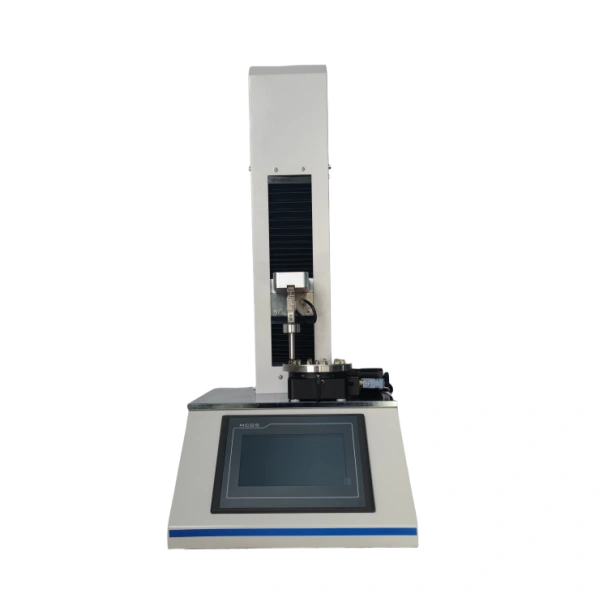
Nøyaktige resultater er avhengig av spesialbygde instrumenter. Avanserte kapsel- og softgel-hardhetstestere gir kontrollert kraftpåføring, presis måling av forskyvning og fleksible testmodi. Med slike systemer kan laboratorier utføre hardhetstester for softgeler, elastisitetsevalueringer og TPA-teksturanalyse på én og samme plattform.
Den Cell Instruments kapsel- og softgel-hardhetstester støtter omfattende kvalitetskontroll av softgels ved å kombinere kraft-, avstands- og topptesting. Den nøyaktige bevegelseskontrollen og de tilpassbare parameterne hjelper produsentene med å simulere reelle håndteringspåkjenninger og samtidig opprettholde høy repeterbarhet. Denne allsidigheten gjør den egnet for produksjonskontroll, formuleringsforskning og stabilitetsstudier uten å duplisere utstyr.
Fordelene med robuste kvalitetskontrollprogrammer for softgels
En godt utformet Kvalitetskontroll av softgels programmet gir konkrete fordeler gjennom hele produktets livssyklus. Produsenter reduserer antall batchfeil ved å oppdage mekaniske svakheter tidlig. FoU-teamene kan optimalisere formuleringene raskere ved hjelp av kvantitative tilbakemeldinger. Kvalitetsansvarlige får tillit til at hver enkelt batch oppfyller forventningene til sikkerhet og ytelse.
Viktigst av alt er at konsistent softgelkvalitet beskytter pasientenes tillit. Kapsler som ser intakte ut, føles konsistente og fungerer pålitelig, styrker merkevarens troverdighet i de svært konkurranseutsatte farmasøytiske og ernæringsmessige markedene.
Konklusjon
Kvalitetskontrollen av softgeler har utviklet seg fra grunnleggende inspeksjon til en datadrevet disiplin basert på mekanisk testing. Ved å integrere testmetoder for softgelhardhet, softgelelastisitetstesting og avansert TPA-teksturanalyse får produsentene presis kontroll over kapselens ytelse. Moderne kvalitetskontrollprogrammer støttes av robust instrumentering fra Cell Instruments, og sørger for at softgelinnkapslingsteknologien leverer trygge, effektive og konsistente produkter til det globale markedet.
 English
  العربية
  Български
  Čeština
  Dansk
Dansk  Deutsch
  Ελληνικά
  Español
  Eesti
Eesti  Suomi
Suomi  Français
  Magyar
  Bahasa Indonesia
  Italiano
  日本語
日本語  한국어
한국어  Lietuvių kalba
  Latviešu valoda
  Norsk bokmål
  Nederlands
  Polski
  Português
  Română
  Русский
  Slovenčina
  Slovenščina
  Svenska
  Türkçe
  Українська