
Випробування на відрив і силу ковзання відіграє важливу роль в оцінці фрикційних властивостей матеріалів і компонентів, особливо в пакуванні та медицині. Випробування полягає у визначенні сили, необхідної для ініціювання та підтримання руху поверхні або об'єкта. Цей тип випробувань має вирішальне значення для забезпечення безперебійної та ефективної роботи таких виробів, як шприци, особливо при випробуванні зусиль, необхідних для переміщення поршня шприца.
У цій статті ми розглянемо важливість випробування на відрив і силу ковзання, зокрема, щодо тестування шприців на герметичність і тестування зусиль, необхідних для роботи поршня в шприцах, як зазначено в ISO 7886-1.
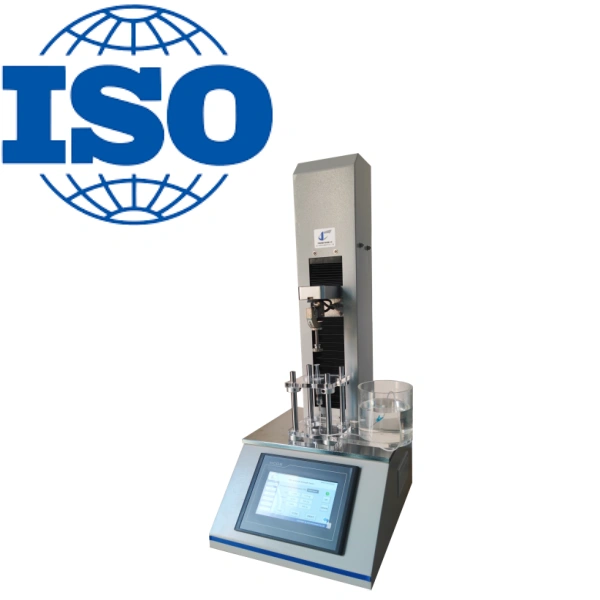
Випробування шприців на герметичність: Забезпечення належної функціональності
Тестування шприців на герметичність необхідна для перевірки цілісності конструкції шприца, щоб переконатися, що не відбувається витоку повітря або рідини через пробку або ущільнення плунжера. ISO 7886-1 встановлює стандарти для тестування шприців, зосереджуючи увагу на таких аспектах, як мертвий простір, витоки і сила, необхідна для роботи поршня. Ці випробування мають вирішальне значення для шприців, що використовуються в медицині, оскільки будь-який витік може поставити під загрозу якість і безпеку виробу.
ISO 7886-1 визначає, що шприци повинні пройти випробування на витік повітря та рідини, а також на зусилля, необхідне для роботи поршня. Ці випробування необхідні для підтвердження того, що шприц буде функціонувати належним чином за нормальних умов використання. Перевіряючи ці важливі експлуатаційні характеристики, виробники можуть гарантувати надійність і безпеку своїх шприців.
Сили, необхідні для роботи поршня: Важливість випробувань на відрив і силу ковзання
У "The зусилля для роботи поршня у шприці є критичним параметром для оцінки функціональності шприца. Силу, необхідну для переміщення поршня, часто називають сила відриву і сила ковзання. The сила відриву є початковою силою, необхідною для початку руху поршня, тоді як сила ковзання це сила, необхідна для утримання поршня в русі після його запуску.
Перевірка цих зусиль необхідна для того, щоб переконатися, що поршень шприца рухається плавно і послідовно, без надмірного опору. Якщо зусилля, необхідне для роботи поршня, занадто велике, користувачеві може бути важко вводити вміст шприца, що може спричинити дискомфорт або збої в роботі. З іншого боку, недостатній опір може призвести до витікання або неправильного дозування.
Методи випробувань на відрив і силу ковзання
Випробування на відрив і силу ковзання зазвичай проводяться за допомогою машина для механічних випробувань призначений для вимірювання та реєстрації зусиль, необхідних для ініціювання та підтримання руху поршня. У цьому приладі використовується SSR-01 Тестер опору ковзанню шприца є прикладом такого обладнання, що забезпечує точні вимірювання зусиль, необхідних для безперебійної роботи поршня.
Процедура випробування на відрив і випробування сили ковзання:
- Налаштуйте шприц: Наповніть шприц дистильованою водою і переконайтеся, що поршень знаходиться на позначці номінальної ємності.
- Почніть тест: Шприц підключений до випробувальної машини, яка переміщує плунжер з контрольованою швидкістю. Сила, необхідна для початку та підтримки руху, реєструється.
- Виміряйте силу: The сила відриву записується, коли поршень вперше починає рухатися, в той час як сила ковзання реєструється під час тривалого руху поршня.
- Проаналізуйте результати: Результати тесту показують, чи знаходяться необхідні зусилля в прийнятних межах, забезпечуючи належну функціональність шприца.
Ці результати є життєво важливими для контролю якості, оскільки вони допомагають виробникам зрозуміти, як їхні шприци працюватимуть у реальних умовах.
Ключові стандарти у випробуваннях на відрив та силу ковзання
У "The ISO 7886-1 Стандарт описує вимоги до тестування шприців, включаючи зусилля, необхідні для роботи поршня. Він рекомендує методи тестування, які включають як сила відриву і сила ковзання для забезпечення безперебійної роботи шприца під час використання. Крім того, у ньому зазначено необхідність тестування протікання шприца переконатися у відсутності витоку повітря або рідини через пробку плунжера, що може вплинути на функціональність шприца.
Тестування шприців для виявлення витоків
Випробування на герметичність є важливою частиною забезпечення якості шприців. Стандарт ISO 7886-1 описує процедури виявлення витоків повітря та рідини в шприцах, зокрема, в області плунжерної пробки. Шприц вважається несправним, якщо під час цих випробувань виявлено будь-який витік, оскільки навіть невелика кількість витоку може поставити під загрозу ефективність та безпеку продукту.
Висновок
Випробування на відрив і силу ковзання має важливе значення для оцінки продуктивності шприців та інших матеріалів, що використовуються в пакуванні та медицині. Розуміючи і тестуючи зусилля, необхідні для роботи поршня, виробники можуть забезпечити якість, надійність і безпеку своєї продукції. Тестування шприців на герметичність, як визначено у ISO 7886-1, надає важливу інформацію про експлуатаційні характеристики та цілісність шприців, допомагаючи виробникам підтримувати високі стандарти та постачати на ринок безпечну та ефективну продукцію.
Для точного і надійного випробування цих сил Тестер опору ковзанню шприца Cell Instruments SSR-01 пропонує відмінне рішення для виробників і персоналу з контролю якості, гарантуючи, що їх продукція відповідає необхідним критеріям продуктивності.
 English
  العربية
  Български
  Čeština
  Dansk
Dansk  Deutsch
  Ελληνικά
  Español
  Eesti
Eesti  Suomi
Suomi  Français
  Magyar
  Bahasa Indonesia
  Italiano
  日本語
日本語  한국어
한국어  Lietuvių kalba
  Latviešu valoda
  Norsk bokmål
  Nederlands
  Polski
  Português
  Română
  Русский
  Slovenčina
  Slovenščina
  Svenska
  Türkçe
  Українська