
Introduction to Hydrolytic Resistance Testing for Glass Containers
Den hydrolytic resistance test for glass containers is a crucial evaluation used to determine the chemical durability of glass when exposed to water or aqueous solutions. This test measures the ability of glass to resist degradation or dissolution, a key factor in ensuring the safety and longevity of glass packaging, especially in the pharmaceutical, food, and medical industries.
What is Hydrolytic Resistance?
Hydrolytic resistance refers to the glass’s ability to resist chemical attack when in contact with water, especially when heated to certain temperatures. Glass containers used in medical or food industries must pass hydrolytic resistance tests to confirm they do not release harmful substances when exposed to water over time.
ISO 719: Hydrolytic Resistance of Glass Grains at 98°C
ISO 719 is the standard that specifies the method for testing the hydrolytic resistance of glass grains at 98°C. This method is ideal for testing less resistant glasses, such as soda-lime glass. The test involves extracting glass grains (of a specific size) with distilled water at 98°C for 60 minutes, followed by analyzing the release of alkaline ions (mainly sodium) from the glass.
The results are used to classify the glass based on its hydrolytic resistance. Glasses with higher resistance, such as borosilicate, may require a different test method, as outlined in ISO 720.
ISO 720: Hydrolytic Resistance of Glass Grains at 121°C
ISO 720 is a similar test method but conducted at a higher temperature of 121°C. This test is more suitable for resistant glass types, like borosilicate glass, often used in medical and pharmaceutical packaging due to its durability. The procedure involves a similar process of extraction, but it differs in the temperature, duration, and the volume of glass being tested.
Significance of Hydrolytic Resistance Testing
Hydrolytic resistance testing is important because it helps manufacturers and quality control professionals ensure that the glass used in packaging does not interact with its contents. Any degradation could potentially compromise the integrity of pharmaceuticals or food products, leading to safety concerns and regulatory issues.
Equipment Used for Hydrolytic Resistance Testing
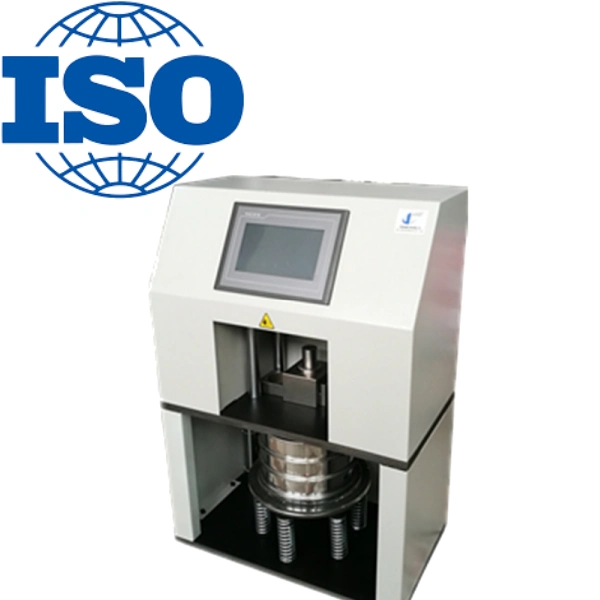
The standard testing apparatus for hydrolytic resistance includes balances, burettes, pipettes, and specific glassware, including autoclaves, to maintain the precise conditions required for accurate results. Instruments like Cell Instruments’ GHR-01A Glass Grain Sampler are designed to meet these standards and ensure the proper handling of the glass samples during the test.
Den hydrolytic resistance test for glass containers is an essential procedure for determining the chemical durability of glass. Understanding the ISO 719 and ISO 720 standards helps manufacturers ensure that their products are safe and compliant with industry regulations. By incorporating reliable testing equipment, such as Cell Instruments’ GHR-01A Glass Grain Sampler, companies can maintain the quality and integrity of their glass packaging materials.
 English
  العربية
  Български
  Čeština
  Dansk
Dansk  Deutsch
  Ελληνικά
  Español
  Eesti
Eesti  Suomi
Suomi  Français
  Magyar
  Bahasa Indonesia
  Italiano
  日本語
日本語  한국어
한국어  Lietuvių kalba
  Latviešu valoda
  Norsk bokmål
  Nederlands
  Polski
  Português
  Română
  Русский
  Slovenčina
  Slovenščina
  Svenska
  Türkçe
  Українська